HMGhigh mobility group |
|---|
| SMART accession number: | SM00398 |
|---|---|
| Description: | - |
| Interpro abstract (IPR009071): | High mobility group (HMG) box domains are involved in binding DNA, and may be involved in protein-protein interactions as well. The structure of the HMG-box domain consists of three helices in an irregular array. HMG-box domains are found in one or more copies in HMG-box proteins, which form a large, diverse family involved in the regulation of DNA-dependent processes such as transcription, replication, and strand repair, all of which require the bending and unwinding of chromatin. Many of these proteins are regulators of gene expression. HMG-box proteins are found in a variety of eukaryotic organisms, and can be broadly divided into two groups, based on sequence-dependent and sequence-independent DNA recognition; the former usually contain one HMG-box motif, while the latter can contain multiple HMG-box motifs. HMG-box domains can be found in single or multiple copies in the following protein classes: HMG1 and HMG2 non-histone components of chromatin; SRY (sex determining region Y protein) involved in differential gonadogenesis; the SOX family of transcription factors [ (PUBMED:12920151) ]; sequence-specific LEF1 (lymphoid enhancer binding factor 1) and TCF-1 (T-cell factor 1) involved in regulation of organogenesis and thymocyte differentiation [ (PUBMED:10890911) ]; structure-specific recognition protein SSRP involved in transcription and replication; MTF1 mitochondrial transcription factor; nucleolar transcription factors UBF 1/2 (upstream binding factor) involved in transcription by RNA polymerase I; Abf2 yeast ARS-binding factor [ (PUBMED:11779632) ]; yeast transcription factors lxr1, Rox1, Nhp6b and Spp41; mating type proteins (MAT) involved in the sexual reproduction of fungi [ (PUBMED:12781674) ]; and the YABBY plant-specific transcription factors. |
| Family alignment: |
There are 46627 HMG domains in 39088 proteins in SMART's nrdb database.
Click on the following links for more information.
- Evolution (species in which this domain is found)
- Cellular role (predicted cellular role)
- Literature (relevant references for this domain)
- Disease (disease genes where sequence variants are found in this domain)
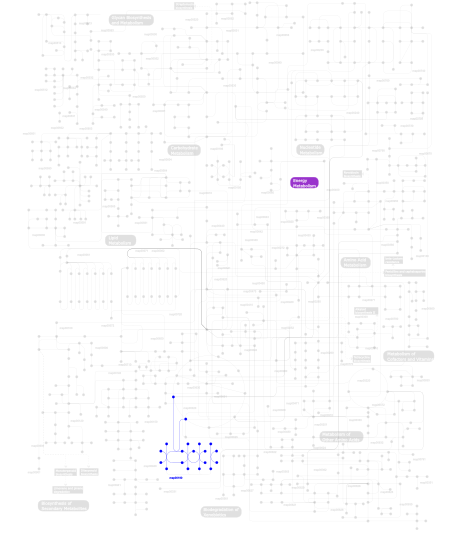
- Metabolism (metabolic pathways involving proteins which contain this domain)
- Structure (3D structures containing this domain)
- Links (links to other resources describing this domain)